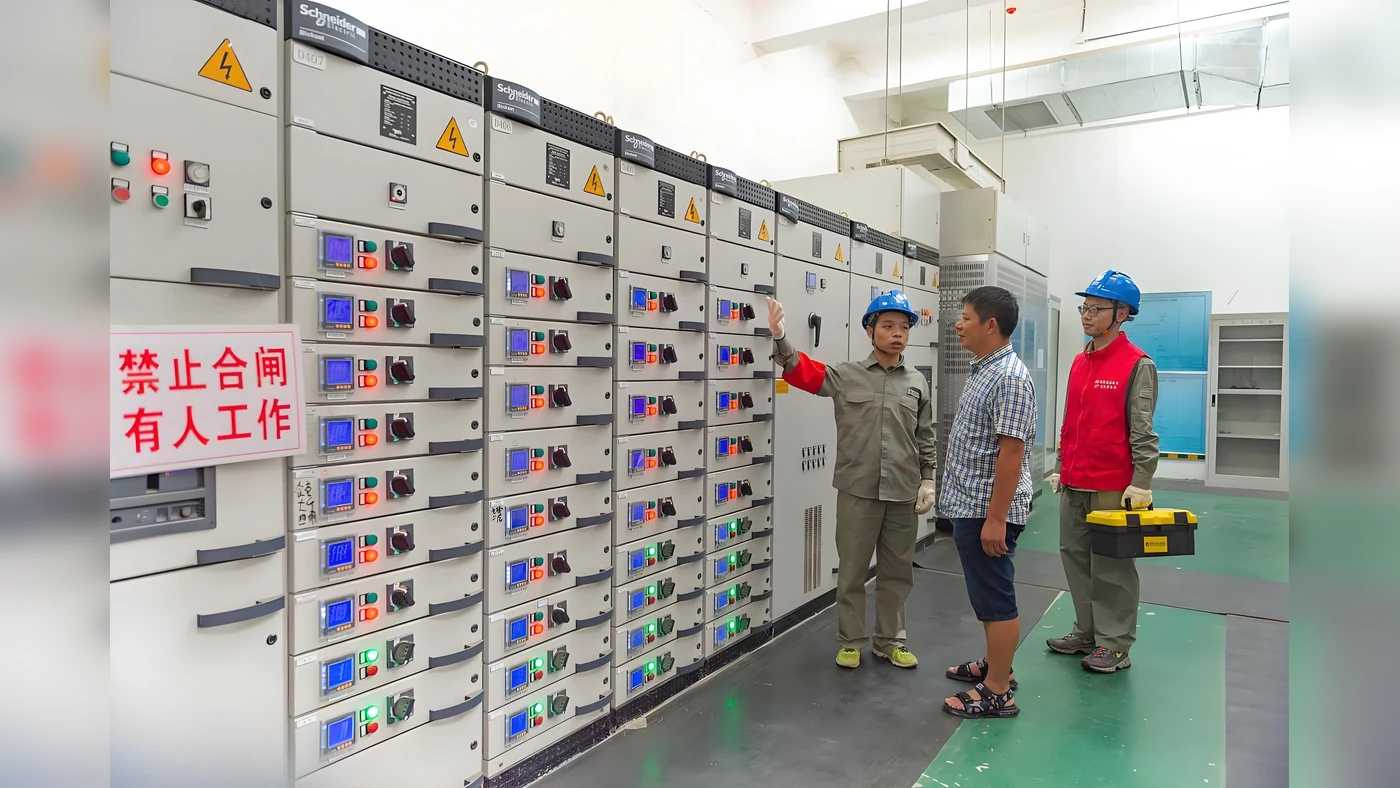
Electrical distribution requirements
Industrial power-distribution projects must coordinate incoming power, production loads, motor feeders, utility systems and planned expansion. The equipment scope should be developed from the SLD, motor and feeder schedules, process requirements and available short-circuit level. Zejiefu supports drawing-led equipment selection without assuming ratings that have not been approved.
Typical equipment scope
- PCC or main LV switchgear for incoming and feeder distribution
- MCC assemblies for grouped motors and process auxiliaries
- APFC panels where correction is supported by load data
- Local distribution boards and project-specific enclosures
Project information to provide
- Single-line diagram and load schedule
- Motor list, starting methods and control philosophy
- Fault level, earthing arrangement and required standard
- Dust, temperature, humidity and IP requirements
- Preferred component makes and documentation schedule
Engineering and delivery workflow
The technical review identifies missing information, confirms equipment boundaries and records deviations before quotation. After order confirmation, general-arrangement drawings, feeder schedules and component lists should be approved before assembly. Routine inspection and available test documentation are agreed as part of the project scope.
Related equipment
PCC switchgear | MCC | APFC panel
Prepare the RFQ documents
Use the SLD and BOQ preparation guide to align ratings, feeder references, installation requirements and document revisions before submitting the project.
Frequently asked questions
Can one quotation include PCC, MCC and APFC panels?
Yes. A coordinated package can be reviewed when the SLD, feeder schedules and equipment boundaries are supplied together.
What information is required for motor feeders?
Provide the motor list, power ratings, starting methods, control voltage, interlocks and preferred component make.
Request a project review
Send the available SLD, BOQ, equipment schedule, destination country and required delivery date. Missing information can be identified during the first technical review.