







LV Distribution & Control

PCC Low Voltage Switchgear

Coordinate the electrical duty, circuit schedule and installation space before finalizing your equipment proposal.

Send drawings, a schedule or a short brief. We review the scope, identify open technical questions and discuss drawing and quotation requirements.

Discuss your project

Drawings incomplete? Tell us what you know. Attachments are optional.

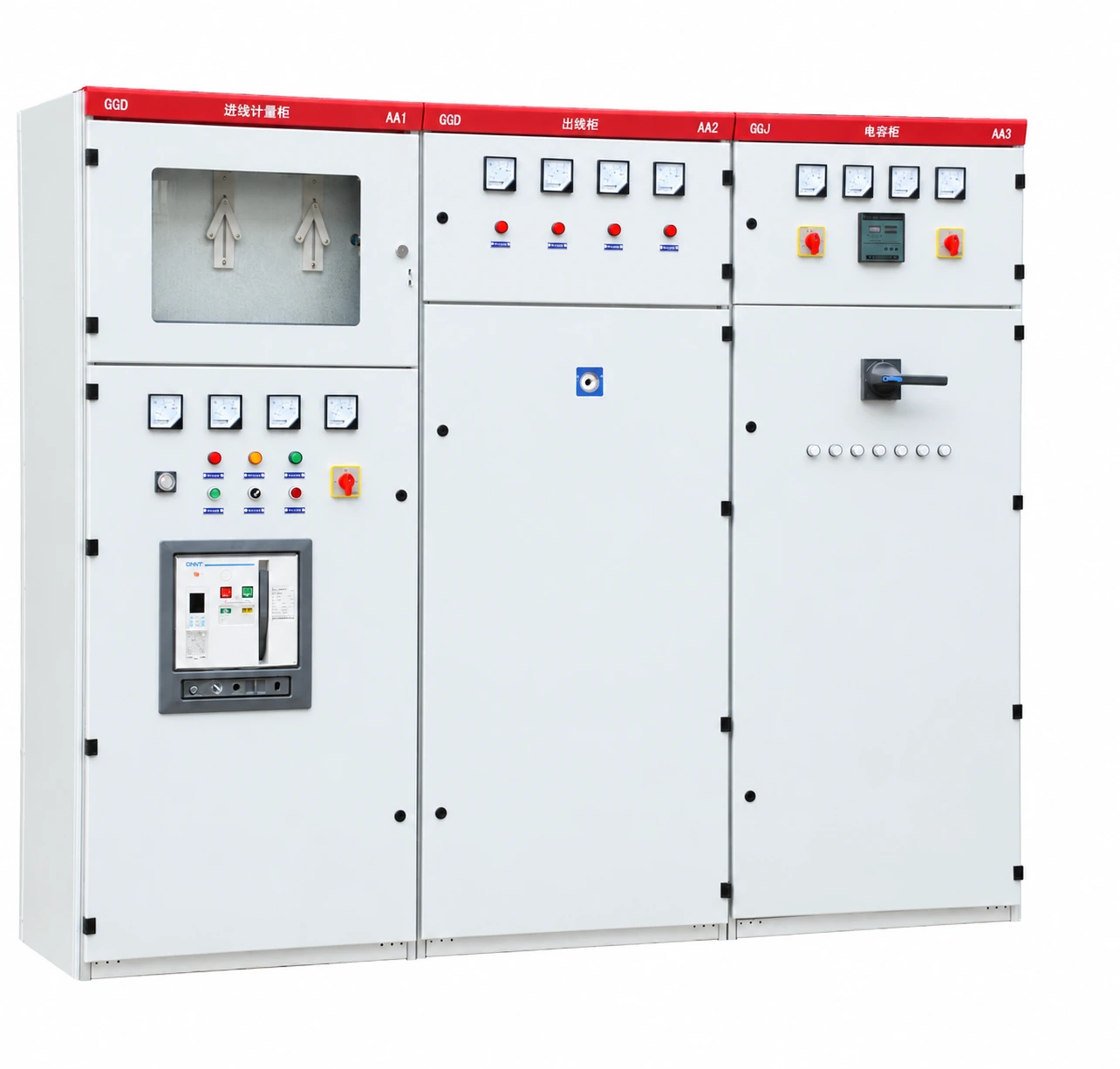
GGD AC low voltage power distribution cabinet

GGD cabinet platform shown as a catalogue configuration reference. The project arrangement, components and ratings are confirmed in the approved proposal. The GGJ compensation cabinet shown at right is included only when specified.

Voltage / frequency380 V AC / 50 Hz
GGD1Current: 400 / 600 (630) / 1000 A · Breaking: 15 kA · Short-time: 15 kA, 1 s · Peak: 30 kA
GGD2Current: 600 / 1000 / 1500 (1600) A · Breaking: 30 kA · Short-time: 30 kA, 1 s · Peak: 63 kA
GGD3Current: 2000 / 2500 / 3150 A · Breaking: 50 kA · Short-time: 50 kA, 1 s · Peak: 105 kA
Project configurationIP rating, separation, dimensions and cable entry confirmed per project.

Source: product catalogue, page 35. Ratings belong to the stated model and functional unit. Other voltages, frequencies and environmental conditions require confirmation.

GGD1, GGD2 and GGD3 are different rating groups; values must not be combined into a single configuration.

Supplier network

Selected component brands we can source

Send your approved makes and models. We work through suppliers to confirm suitable components for the project scope.

Schneider Electric
ABB
CHINT
Siemens
DELIXI Electric
Mitsubishi Electric

Models, supply routes and availability are confirmed per project. Component sourcing does not imply system certification or brand authorization.

Project documentation

Documents you can request

Request the records applicable to the proposed equipment and the company responsible for production.

Quality management illustration

ISO 9001

Quality management system

Confirm the certificate holder and validity.
Technical document illustration

Type-test report

IEC 61439

Confirm the actual report and applicable product scope.
Inspection record illustration

Inspection records

Checks for the delivered equipment

Required records are agreed with the order.
People, supply and support

Why work with Zejiefu?

Practical sourcing, experienced people and technical support after shipment.

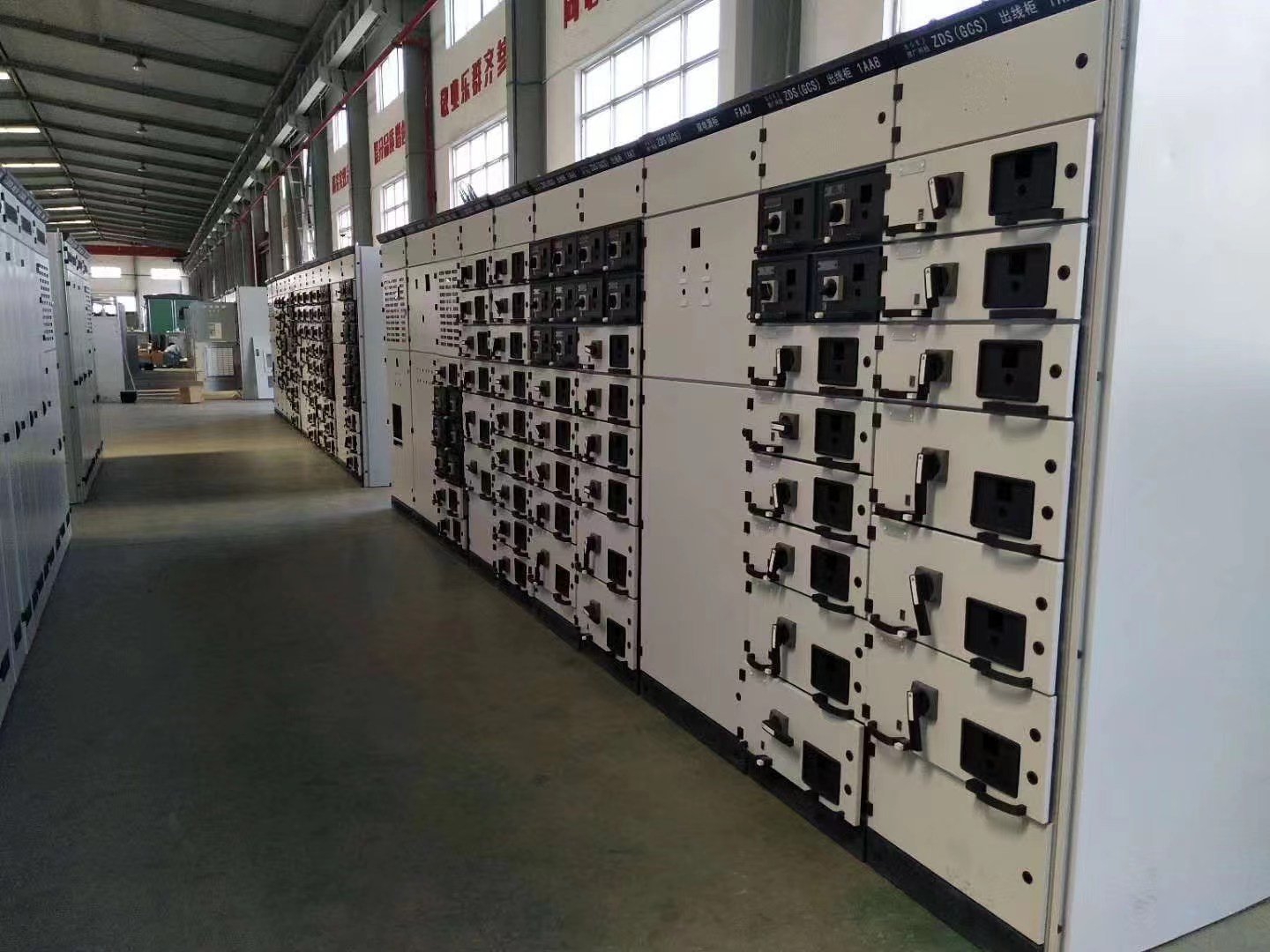
Low-voltage switchgear assemblies in a workshop
Low-voltage assembly reference
01 · Yueqing supply base

More options within your budget

Based in Yueqing's established electrical manufacturing cluster, we draw on a mature cabinet and component supply network to develop a cost-conscious proposal.

02 · 28 years of team experience

Make the design buildable

Our engineering and installation teams review drawings with attention to practical assembly, access and installation.

03 · After delivery

Technical help stays available

We support questions about installation, documents, troubleshooting and replacement parts after shipment.

What happens after you send the brief?

We identify missing decisions early so you can compare the proposed scope and quotation.

You send

  • SLD or circuit schedule
  • Supply ratings and fault level
  • Installation space and cable entry
  • Approved component list

We check

  • Incoming and outgoing scope
  • Ratings and selection inputs
  • Layout and access constraints
  • Spare provision and open questions

We discuss next

  • Possible equipment arrangement
  • Items needing confirmation
  • Drawing and document scope
  • Quotation scope and exclusions

Initial project discussion is free. Preliminary scheme and drawing scope are discussed case by case; final construction drawings are agreed separately.

Configuration and project guidance

Review the product scope and selection notes before sending your requirements.

Product overview

A power control centre is the main low-voltage distribution point between the incoming supply and downstream feeders. Zejiefu configures PCC assemblies around the submitted single-line diagram, load schedule, fault level, installation conditions and preferred component make. The final panel arrangement, busbar system and protection functions are confirmed during drawing review rather than selected from a fixed online configuration.

Configurable engineering scope
  • Incoming, bus-coupler and outgoing feeder arrangement
  • Main busbar, neutral and protective conductor requirements
  • Protection, metering, indication and communication functions
  • Top or bottom cable entry and power-room layout coordination
  • Fixed or withdrawable functional units when required
Typical applications
  • Industrial production facilities and utility rooms
  • Commercial building main distribution rooms
  • Infrastructure and package power distribution projects
  • Main distribution upstream of MCC, APFC and final boards
Information required for quotation
  • System voltage and frequency
  • Rated current and short-circuit withstand requirement
  • SLD, feeder schedule and load list
  • IP rating, cable entry and installation environment
  • Preferred breaker, meter and protection brands
Standards, drawings and inspection

The applicable IEC standard, routine inspection scope, drawing format and project documentation must be confirmed against the technical specification. Ratings and compliance statements are not assumed before engineering review. Approved general-arrangement drawings and component schedules form the basis for production.

Application solutions and RFQ guidance

Common questions

Can the PCC layout be developed from an EPC single-line diagram?

Yes. The SLD and feeder schedule are the main inputs. Cabinet dimensions, section arrangement and component selection are confirmed through the technical review.

Is the catalogue model the final project specification?

No. The illustrated cabinet platform is a reference. The supply system, selected components and approved technical proposal determine the final equipment ratings and construction.

Send your project requirements

Start with what you have. We will identify the next technical questions.

Discuss your project