Electrical distribution requirements
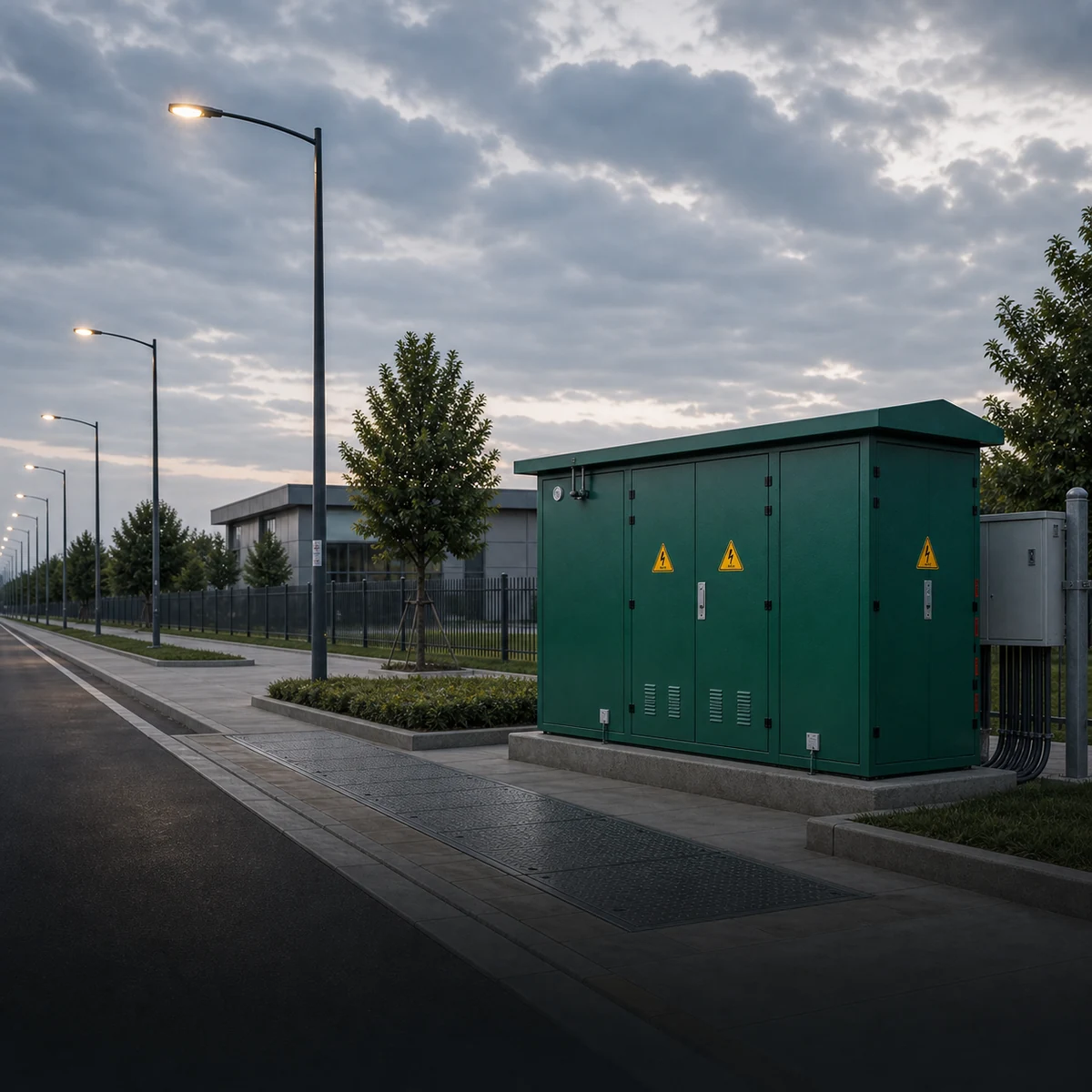
Infrastructure distribution may involve indoor substations, outdoor switching points, cable branch equipment, road-side installations and local low-voltage distribution. Selection depends on network voltage, cable scheme, protection philosophy, environmental conditions and civil interfaces. Outdoor housings must be coordinated with foundations, cable trenches and access requirements.
Typical equipment scope
- MV switchgear or RMU equipment for cable distribution
- DFW outdoor switching stations and cable branch boxes
- Prefabricated substations where included in the approved package
- Outdoor low-voltage boxes for local distribution and auxiliaries
Project information to provide
- Network SLD and rated voltage
- Cable quantities, sizes and termination arrangement
- Protection, metering and remote-control requirements
- Temperature, humidity, dust and corrosion conditions
- Foundation, cable trench and delivery access
Engineering and delivery workflow
The engineering review coordinates the electrical scheme with enclosure, cable and civil requirements. General-arrangement drawings should show foundation dimensions, cable entries and operating clearances. Final ratings and documentation follow the approved specification.
Related equipment
DFW outdoor station | Cable branch box | MV switchgear
Prepare the RFQ documents
Use the SLD and BOQ preparation guide to align ratings, feeder references, installation requirements and document revisions before submitting the project.
Frequently asked questions
What civil information is needed for an outdoor cabinet?
Provide foundation dimensions, cable trench position, cable-entry direction, operating clearances and site access limitations.
Can the enclosure be adapted for harsh outdoor conditions?
Material, surface treatment, ventilation, ingress protection and anti-condensation measures can be reviewed against the stated environment.
Request a project review
Send the available SLD, BOQ, equipment schedule, destination country and required delivery date. Missing information can be identified during the first technical review.