








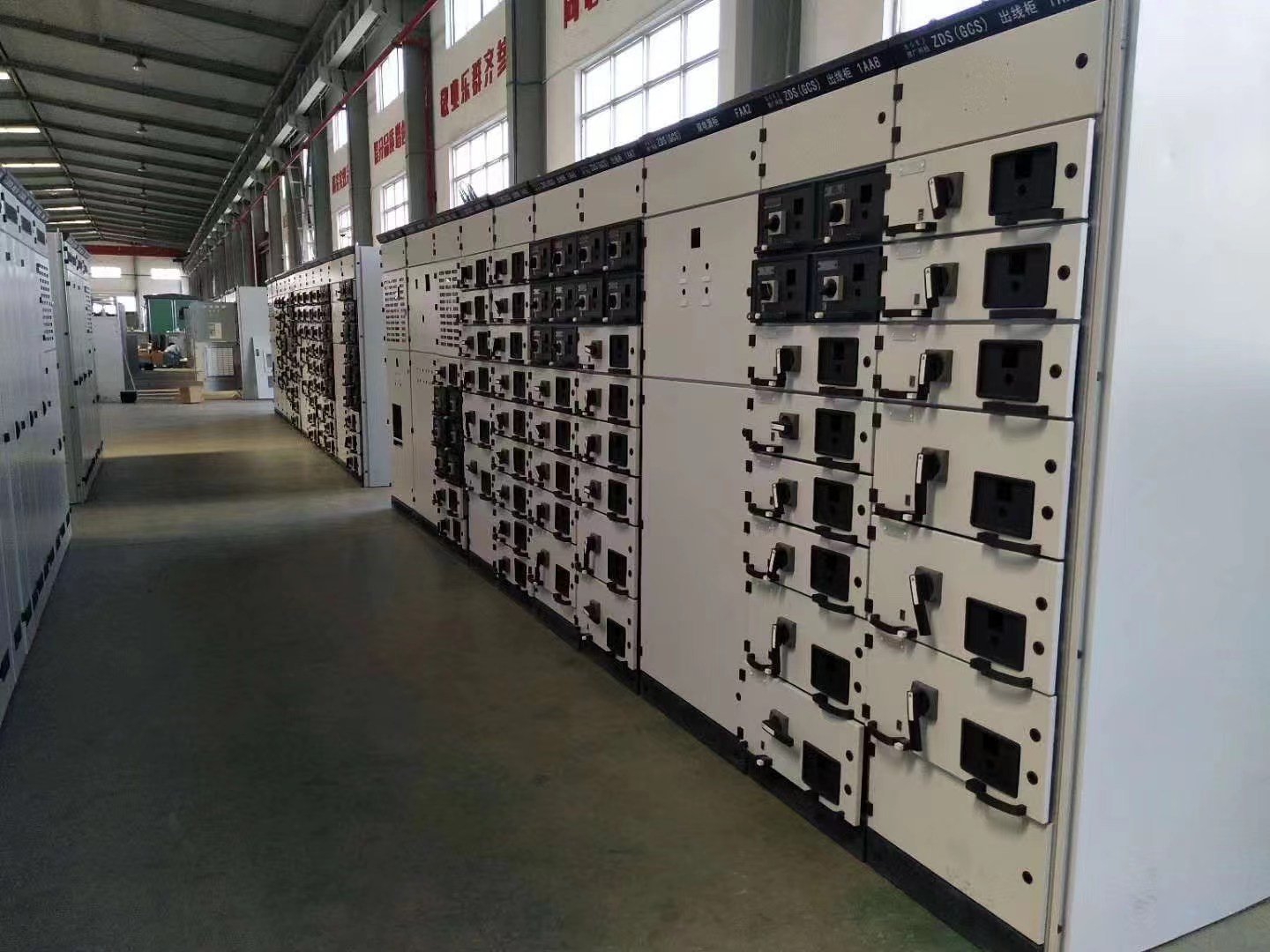
Custom electrical enclosures and electrical housings are manufactured around the buyer’s approved dimensions, component layout and installation environment. Zejiefu supports project-specific sheet-metal enclosure requirements for indoor control panels, outdoor distribution boxes, metering equipment, machinery interfaces and electrical package assemblies.
This is a drawing-led product. The enclosure size, door arrangement, mounting plate, cable entry, cut-outs, ventilation and finish are confirmed from the submitted general-arrangement drawing or equipment layout before production.
Custom electrical enclosure scope
- Wall-mounted, floor-standing and freestanding enclosure formats
- Indoor or outdoor construction according to confirmed site conditions
- Single-door, double-door and compartmented arrangements
- Mounting plates, DIN rails, wiring ducts and internal brackets
- Removable gland plates and coordinated cable-entry positions
- Meter, switch, fan, indicator and operator cut-outs from approved drawings
- Locks, hinges, lifting provisions and removable access panels
- Powder-coated finish and project-defined surface requirements
Information used to configure the housing
| Design item | Information to provide | Why it matters |
|---|---|---|
| Overall size | Width, height, depth and dimensional tolerances | Defines the basic enclosure and available installation space |
| Mounting method | Wall, floor, plinth, pole or equipment-mounted arrangement | Controls brackets, base construction and fixing points |
| Internal layout | Component dimensions, heat sources and maintenance clearances | Defines mounting plate, rails, partitions and ventilation space |
| Door and access | Door quantity, opening direction, locks and removable panels | Supports operation, wiring and maintenance access |
| Cable entry | Top or bottom entry, gland plate size and cable quantities | Prevents conflicts with equipment and site cable routes |
| Environment | Indoor or outdoor location, dust, moisture, temperature and corrosion conditions | Influences sealing, ventilation, surface treatment and construction |
| Cut-outs | Dimensioned positions for meters, controls, fans and connectors | Allows fabrication to follow the approved component layout |
Indoor and outdoor electrical housings
Indoor enclosures
Indoor housings can support machinery controls, local distribution, instrumentation and equipment packages. The RFQ should identify room conditions, access restrictions, ventilation needs and whether the enclosure is wall-mounted or floor-standing.
Outdoor enclosures
Outdoor construction requires the buyer to state the exposure conditions, required IP rating, temperature range, sun or rain protection, cable-entry sealing and any corrosion-related requirements. Review the JP outdoor integrated distribution box when the project needs a configured outdoor distribution assembly rather than an empty custom housing.
Enclosure, panel or complete distribution board?
| Requested item | Typical supply boundary | Best RFQ basis |
|---|---|---|
| Custom enclosure or housing | Fabricated enclosure with agreed mechanical provisions | Dimensioned drawing, component layout and environmental requirement |
| Partially fitted panel | Enclosure plus specified rails, plates, busbars or selected components | GA drawing, BOM and confirmed assembly boundary |
| Complete distribution board | Electrical assembly manufactured to an approved scheme | SLD, BOQ, circuit schedule, ratings and technical specification |
Browse the distribution-board range when the requirement includes incoming, outgoing, protection, metering or control functions as part of the completed assembly.
Typical applications
- Industrial machinery and OEM electrical housings
- Local control and instrumentation panels
- Outdoor utility, metering and feeder boxes
- Infrastructure and roadside electrical cabinets
- Solar and energy-system interface enclosures
- Junction, communication and auxiliary equipment housings
See the infrastructure solution and solar and energy solution for related project applications.
Files needed for an enclosure quotation
- Dimensioned general-arrangement drawing in PDF, DWG or another agreed format
- Front, side and internal-layout views
- Component list with dimensions or datasheets
- Cut-out drawing and operator-device positions
- Material, thickness and finish requirements
- Installation environment and requested IP rating
- Quantity, destination country and packing requirements
If the housing is part of a wider electrical package, include the BOQ and clearly identify the supplier boundary. The BOQ vs RFQ guide explains how these procurement documents work together, while the SLD and BOQ preparation guide covers completed switchgear assemblies.
Manufacturing and inspection basis
The production basis is the approved drawing and confirmed project scope. Relevant steps can include sheet-metal fabrication, forming, welding, surface preparation, assembly of mechanical provisions and dimensional inspection. Review our manufacturing capability and quality and standards pages for the processes and documentation presented on this website.
Key engineering decisions before fabrication
| Decision | What the drawing or RFQ should define |
|---|---|
| Material | Required sheet material and any corrosion or environmental constraints |
| Sheet thickness | Buyer requirement or loads that allow thickness to be confirmed during drawing review |
| Ingress protection | Required IP rating plus door, gland, ventilation and site-sealing conditions |
| Thermal management | Component heat loss, ambient temperature, ventilation, fan, filter or cooling requirement |
| Mechanical loads | Component weight, busbar support, door-mounted devices and lifting requirement |
| Fabrication tolerance | Critical mounting, cut-out and interface dimensions that require controlled tolerances |
| Surface finish | Colour reference, coating requirement and any finish restrictions |
Why an IP rating alone is not a complete enclosure specification
An IP code describes protection against access, solid objects and water under defined test conditions, but it does not by itself define corrosion resistance, condensation control, solar exposure, operating temperature or cable-entry quality after site installation. These conditions should be stated separately in the RFQ and coordinated with the final drawing.
Drawing-release checklist
- Overall dimensions, plinth and fixing points are approved.
- Door swing, locks, hinges and maintenance access are confirmed.
- Component mounting and clearances match the approved component data.
- All cut-outs and cable-entry positions are dimensioned.
- Earthing provisions, lifting points and removable panels are identified.
- Material, thickness, colour, finish and environmental requirements are recorded.
- Drawing revision and quantity match the purchase order.
Custom electrical housings for project equipment
Custom electrical housings and enclosures are manufactured around the approved component layout, dimensions and installation environment. The enquiry should identify whether the housing is wall-mounted or floor-standing, indoor or outdoor, and whether cut-outs, gland plates, mounting plates, doors, locks, ventilation or internal partitions are required.
Provide a dimensional drawing or marked-up layout together with the material, finish, target IP rating, quantity and destination. These inputs allow the enclosure construction and manufacturing scope to be reviewed before quotation.
Request a custom enclosure quotation
Send the drawing, component layout, installation environment, quantity and destination. Zejiefu will review the enclosure boundary and identify missing fabrication information before pricing.